
A vast range of topics interested black readers, just as they did white readers. And each newspaper published by African American owners/editors singled out different ones. Social events (marriage, travels, parties, deaths), crime (murder, robbery, assault), and politics (parties, speeches, office holders, elections) all received their fair share of attention . . . but so did hair-care products, dress styles, and theater bookings. Also gaining attention was the competition to be the black voice and to improve and protect an editor’s reputation.
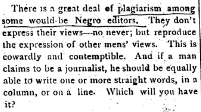
Kansas State Ledger, November 22, 1895
Entertainment standards carried over from the 1800s but soon changed to accommodate the technological advances of the twentieth century. Traditions and new trends were evident in advertisements and news stories. 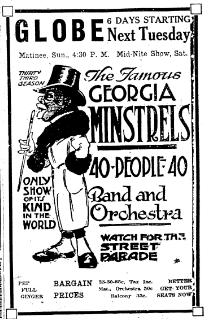
The papers reflected the interest of editors and their largely middle-class readers in the actions of African American and white celebrities in entertainment, ports, and politics, but also in their communities.
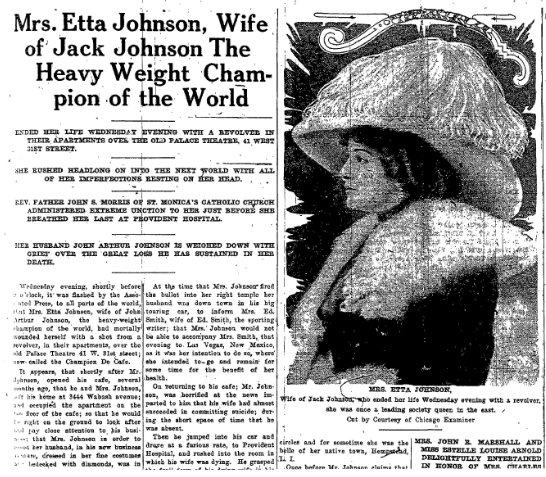
Chicago Broad Axe, September 14, 1912
The 1890s brought the Panic of 1893 (the depression of the 1890s) and, for some editors, unrelenting concern for economic questions and policies. For some (see cartoon) silver was the answer; others (see news notes) shared the nation’s fear of unions and anarchists.
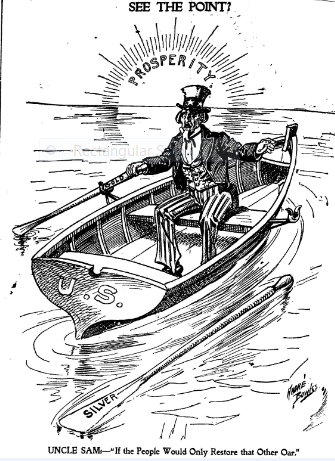
(St. Paul, MN) The Broad Axe, December 22, 1898
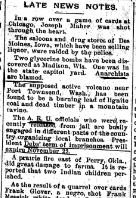
Kansas State Ledger, November 1, 1895
mmmmmmmmmmmmmmmm
mmmmmmmm
